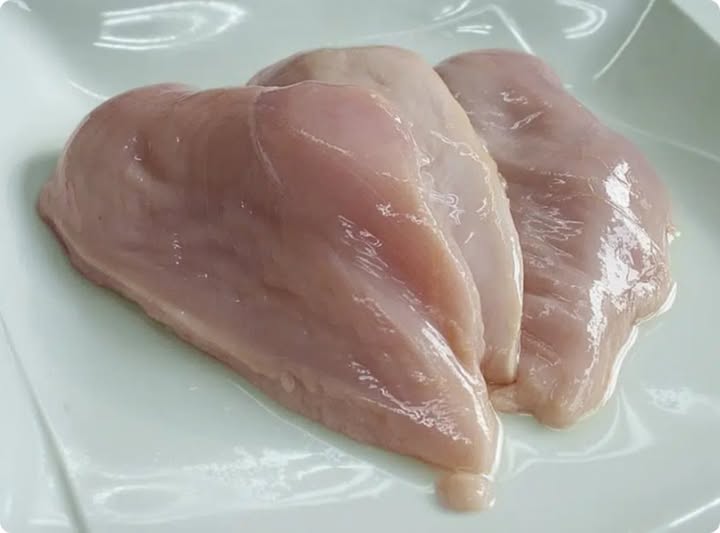
Why White Stuff Comes Out of Chicken While Cooking (And Why You Shouldn’t Panic)
We’ve all been there: you’re searing a beautiful chicken breast or roasting a tray of thighs, and suddenly, a strange, ghostly white “ooze” starts bubbling to the surface. It can look a bit unappetizing—sometimes even like a soapy foam or a rubbery gel.
Before you reach for the trash can or worry that your chicken has gone bad, take a deep breath. That white stuff is completely normal, perfectly safe, and actually tells you a lot about the science of your kitchen.
What Exactly Is the “White Stuff”?
The technical name for that white substance is albumin.
If that sounds familiar, it’s because albumin is the same water-soluble protein found in egg whites. It exists naturally inside the muscle fibers of all poultry and many types of fish (you’ll often see it on baked salmon, too).
How It Happens: The Science
Think of a chicken breast like a bundle of tiny, water-filled straws (the muscle fibers).
- The Heat: As the chicken cooks, those muscle fibers begin to contract and tighten.
- The Squeeze: This tightening acts like a sponge being wrung out, pushing moisture toward the surface.
- The Reveal: That moisture carries dissolved albumin with it. Once that protein hits the hot surface of the pan or the air in the oven, it coagulates (solidifies) and turns from a clear liquid into that familiar white “goop.”
Why Is It Happening to My Chicken?
While albumin is natural, you might notice it more in certain situations:
- Previously Frozen Chicken: When chicken is frozen, ice crystals can puncture the cell walls. When it thaws and cooks, those ruptured cells leak more protein and water than fresh chicken would.
- Injected Brines: Many supermarket chickens are “enhanced” with a solution of water, salt, and celery powder to keep them juicy. More liquid inside means more liquid to “sweat” out during cooking.
- High Heat: Cooking your chicken too fast or at too high a temperature causes the muscles to seize up aggressively, forcing the albumin out in a hurry.
Is It Safe to Eat?
Yes, 100%. Albumin is just protein. It doesn’t have much of a flavor of its own—it will simply taste like whatever you’ve seasoned the chicken with. While the texture can be a little rubbery if it gathers in large clumps, it is entirely edible and poses no health risk.
How to Prevent the “Ooze”
If the look of the white stuff ruins your “foodie” aesthetic, here are a few pro-tips to keep it at bay:
- Dry Brine or Salt Early: Salting your chicken 30 minutes before cooking helps the meat retain its moisture, so it doesn’t “leak” as much when it hits the heat.
- Pat It Dry: Use a paper towel to remove any surface moisture before cooking. This helps the chicken sear properly rather than steaming in its own juices.
- Low and Slow: Lowering your cooking temperature slightly prevents the muscle fibers from contracting too violently.
- Buy Air-Chilled: If your budget allows, look for “air-chilled” chicken. These haven’t been soaked in a water bath during processing, so they have less excess liquid to release.