
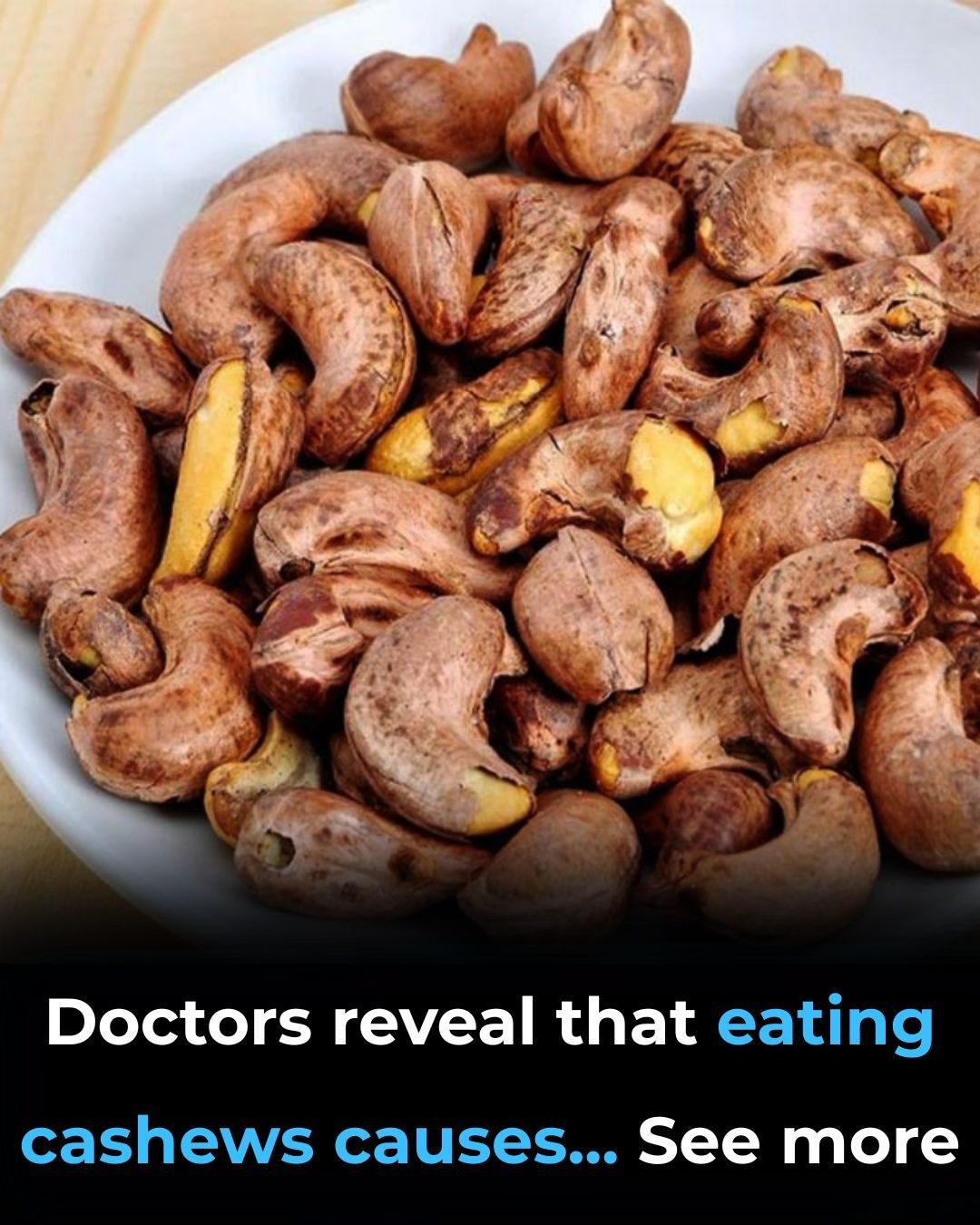
Doctors Reveal: What Really Happens to Your Body When You Eat Cashews
“Doctors reveal that eating cashews causes…” This phrase often leads to a discussion about the complex balance of nutrients within these popular tree nuts. When enjoyed in moderation, they are a wellness staple; however, excessive consumption can lead to unexpected health shifts.
The Nutritional Powerhouse
Before diving into the risks of overindulgence, it is important to recognize why doctors recommend them in the first place:
- Heart-Healthy Fats: Cashews are rich in monounsaturated and polyunsaturated fatty acids, which can help maintain healthy cholesterol levels.
- Essential Minerals: They are an excellent source of magnesium, which is crucial for bone health and nerve function, and copper, which supports iron metabolism.
- Protein Boost: Like most nuts, they provide a plant-based protein source that helps with satiety and muscle repair.
3 Things Doctors Want You to Know About Excessive Intake
1. The Caloric Density Factor
Cashews are incredibly energy-dense. While the fats they contain are “healthy,” they are still high in calories. Doctors reveal that mindlessly snacking on cashews can lead to an unintended caloric surplus, which may contribute to weight gain over time if not balanced with physical activity.
2. Digestive Sensitivities (FODMAPs)
Cashews are classified as a high-FODMAP food (specifically containing galacto-oligosaccharides). For individuals with sensitive digestive systems or Irritable Bowel Syndrome (IBS), eating too many cashews can cause:
- Significant abdominal bloating.
- Increased gas and discomfort.
- Changes in bowel habits.
3. High Oxalate Content
For those prone to kidney stones, cashews require caution. They contain a notable amount of oxalates. Medical experts point out that a high-oxalate diet can lead to the formation of calcium-oxalate stones in the kidneys for susceptible individuals.
How to Enjoy Cashews Responsibly
You don’t need to cut cashews out of your life to stay healthy. Instead, follow these doctor-approved tips:
- Stick to the Serving Size: A standard, healthy serving is approximately 1 ounce (about 15–18 nuts).
- Choose Raw or Dry-Roasted: Avoid varieties that are heavily salted or coated in honey and sugar to keep your sodium and refined sugar intake low.
- Pair with Fiber: Eating cashews alongside a piece of fruit or a salad can help you feel full faster, preventing overconsumption.
Summary Table: The Cashew Balance
| Benefit | Potential Risk of Overuse |
| Magnesium for Nerves | Caloric Surplus/Weight Gain |
| Heart-Healthy Fats | Kidney Stone Risk (Oxalates) |
| Plant-Based Protein | Digestive Bloating (FODMAPs) |