
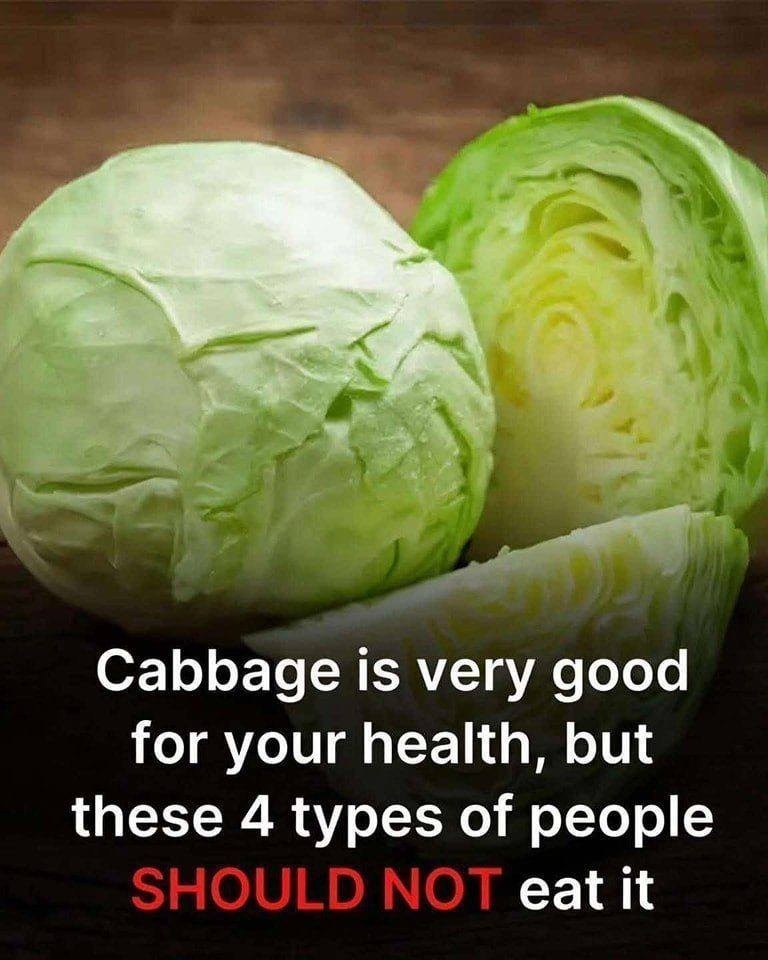
Cabbage: Healthy for Most, but These 4 Types of People Should Be Cautious
Cabbage is widely celebrated for its high fiber content and abundance of Vitamin C and K. However, due to its specific chemical makeup, it can trigger adverse reactions in people with certain sensitivities or medical requirements.
1. People with Thyroid Disorders
Cabbage, like other cruciferous vegetables, contains goitrogens. These are substances that can interfere with the thyroid gland’s ability to absorb iodine. For individuals already struggling with hypothyroidism or goiters, consuming large amounts of raw cabbage may further suppress thyroid function.
2. Individuals with Severe Digestive Sensitivity
Because cabbage is extremely high in fructans and insoluble fiber, it is a common trigger for those with Irritable Bowel Syndrome (IBS) or general gastrointestinal distress.
- Gas and Bloating: The fermentation of cabbage in the gut can lead to significant gas and abdominal pain for sensitive individuals.
- Recommendation: If you have a sensitive stomach, try eating small portions of well-cooked cabbage rather than raw varieties.
3. Those on Blood-Thinning Medication
Cabbage is exceptionally high in Vitamin K, which plays a vital role in blood clotting. If you are taking anticoagulant medications (blood thinners), a sudden increase in cabbage intake can interfere with the medication’s effectiveness. It is essential for these individuals to keep their Vitamin K intake consistent rather than making drastic changes.
4. People with Cabbage or Mustard Allergies
While rare, some individuals have a direct allergic sensitivity to plants in the Brassicaceae family. If you experience itching, swelling, or hives after eating cabbage, broccoli, or mustard greens, you should avoid it entirely and consult an allergist.
How to Enjoy Cabbage Safely
If you do not fall into these categories, you can maximize the benefits of cabbage by:
- Cooking it thoroughly to reduce goitrogenic activity and make it easier to digest.
- Fermenting it into sauerkraut or kimchi to add beneficial probiotics to your diet.
- Diversifying your greens to ensure you aren’t over-relying on a single vegetable type.