Cassava and Cyanide: Keeping This Popular Food Safe
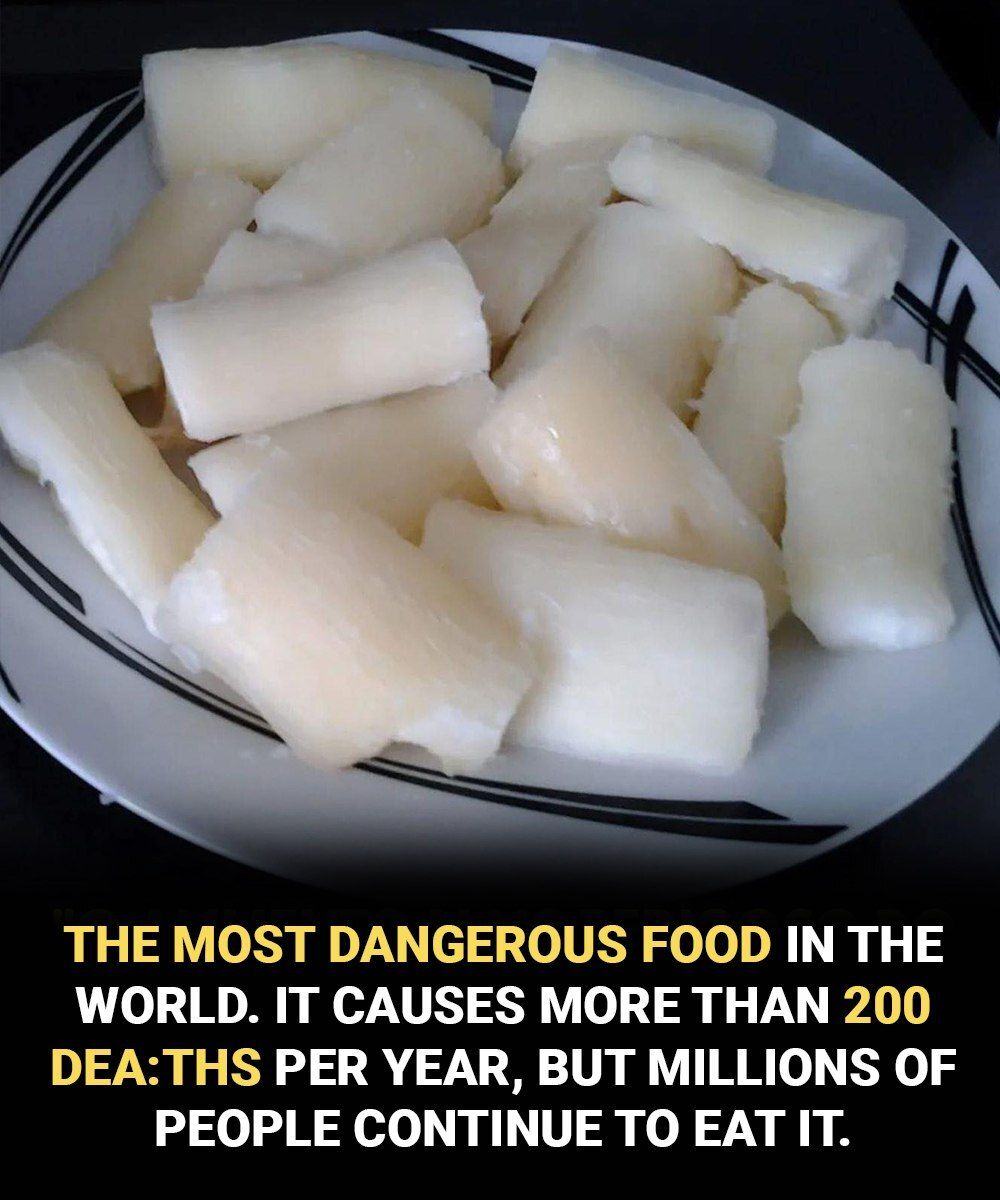
While cassava is a nutritious carbohydrate source, it is often labeled “dangerous” in viral social media posts because it naturally contains cyanogenic glycosides, which can release cyanide when eaten. While it is true that improper consumption causes illness, millions of people eat it safely every day by following traditional preparation methods that neutralize these toxins.
Why Preparation Matters for Older Adults
As we age, our bodies may become more sensitive to foodborne toxins or less efficient at processing them. Ensuring cassava is prepared properly is the key to enjoying its benefits without the risk of cyanide poisoning.
The Golden Rule: Never Eat It Raw
The most critical safety step is simple: never eat raw cassava. Raw cassava contains the highest levels of toxins. Proper cooking is not just for flavor; it is a chemical necessity for safety.
Safe Preparation Steps
To make cassava safe for your next meal, follow these standard industry and traditional guidelines:
- Peeling: The thick outer skin contains the highest concentration of cyanide-producing compounds. Always peel the cassava thoroughly, removing all traces of the brown bark and the thick white layer underneath.
- Soaking: Submerge the peeled cassava chunks in water for 48 to 60 hours. This process, known as leaching, significantly reduces the cyanide content before cooking even begins.
- Thorough Cooking: Boiling, baking, or roasting the cassava until it is tender is essential. Boiling is particularly effective as the toxins are further leached into the cooking water (which should be discarded).
- Fermentation: In many cultures, cassava is fermented (such as in the making of gari or fufu), a process that naturally reduces toxin levels through microbial action.
Identifying Quality Cassava
When shopping, look for roots that are firm and free of blemishes. Avoid any cassava that has:
- Strong odors: A sour or “off” smell can indicate spoilage.
- Discoloration: Blue or black veins running through the white flesh can be a sign of high vascular streaking or rot.
Nutritional Benefits
When prepared safely, cassava provides a significant source of:
- Energy-rich carbohydrates
- Vitamin C
- Thiamine and Riboflavin
By following these simple preparation steps, you can safely include this versatile root vegetable in your diet while avoiding the risks associated with improper handling.