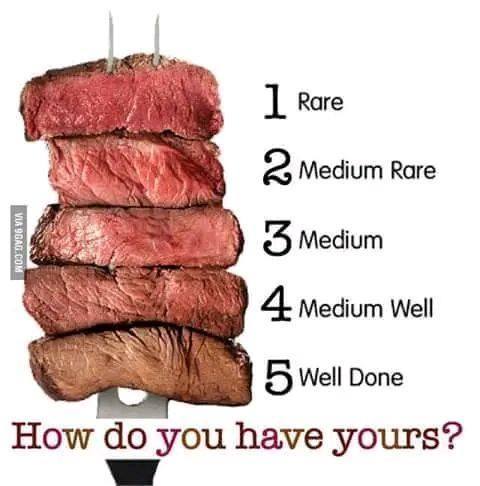
Wagyu Steak Doneness Wagyu Internal Temp Medium Rare Wagyu
Wagyu beef is more than just meat; it is a luxury ingredient defined by its extraordinary intramuscular fat, known as shimofuri (marbling). Because Wagyu fat has a significantly lower melting point than standard beef—literally melting at room temperature—the “recipe” for cooking it focuses entirely on precision temperature management.
Here is the definitive guide to Wagyu doneness and how to achieve the perfect medium-rare finish.
The Golden Rule: Target “Medium-Rare”
While steak preference is usually subjective, for Wagyu, Medium-Rare is the undisputed professional standard.
- Why? At medium-rare, the marbling fully renders into a buttery liquid, but the muscle fibers remain tender.
- The Risk of Rare: If served too rare, the fat remains solid and “waxy,” depriving you of the melt-in-your-mouth texture you paid for.
- The Risk of Well-Done: If overcooked, the precious fat renders out of the steak completely, leaving you with a dry, expensive piece of carbon.
Wagyu Internal Temperature Chart
To cook Wagyu perfectly, you must use a digital meat thermometer. Traditional “finger tests” for doneness do not work because the high fat content makes the meat feel softer than standard steak.
| Doneness | Internal Temp (Pull from Heat) | Final Temp (After Rest) |
| Rare | 115°F (46°C) | 120°F (49°C) |
| Medium-Rare | 125°F (52°C) | 130°F–135°F (54°C–57°C) |
| Medium | 135°F (57°C) | 140°F (60°C) |
| Medium-Well | 145°F (63°C) | 150°F (66°C) |
Recipe: The Perfect Sear for Wagyu Ribeye
Because Wagyu is so rich, it is best cooked in small portions (strip or ribeye) using a high-heat cast-iron method.
Ingredients
- A5 or High-Grade Wagyu Steak (1 inch thickness is ideal).
- Flaky Sea Salt (to finish).
- Optional: A tiny amount of Wasabi or High-Quality Soy Sauce (traditional Japanese pairings).
- Note: Do not use butter or oil. The steak provides its own “liquid gold” fat.
Instructions
1. The Chill Factor
Unlike standard steaks, do not bring Wagyu to room temperature for an hour. Because the fat melts so easily, keep it in the fridge until 10–15 minutes before cooking. This ensures the center doesn’t overcook before you get a crust.
2. Pre-Heating the Surface
Heat a cast-iron skillet over medium-high heat. To test if it’s ready, trim a small piece of white fat from the edge of the steak and rub it on the pan. It should sizzle and melt instantly.
3. The Sear
Season only with salt right before the steak hits the pan. Sear for approximately 1.5 to 2 minutes per side.
- The Goal: A hard, caramelized crust.
- The Check: Use your thermometer. Pull the steak when it hits 125°F.
4. The Crucial Rest
Place the steak on a warm plate (not a cold cutting board). Let it rest for 5–10 minutes. During this time, the “carryover cooking” will bring the internal temp to that perfect 130°F–135°F window, and the juices will redistribute.
Pro-Tips for the Wagyu Experience
- Slice Thinly: Wagyu is incredibly rich. Slice it into 1/2 inch strips across the grain. This maximizes the surface area of the rendered fat on your palate.
- The “Acid” Counter: Because Wagyu is so fatty, it pairs beautifully with acidic or pungent sides like pickled daikon, red wine reductions, or a simple arugula salad with lemon.
- Save the Fat: The liquid fat left in the pan is liquid gold. Use it to sear mushrooms or fingerling potatoes—it provides a flavor profile that butter cannot match.
The Expert Verdict: If you are spending $100+ on a steak, the thermometer is your best friend. A pull temp of 125°F is the “sweet spot” that guarantees the luxury experience you’re looking for.